Adding indoor plants to your home décor is more than just a trendy choice—it’s a way to enrich your living environment in several rewarding ways. Whether you have a sprawling urban apartment or a cosy cottage, plants bring life, colour, and a touch of nature indoors. In this post, we’ll explore the many benefits of incorporating indoor plants into your home décor and offer tips for creating your own green sanctuary.
Why Choose Indoor Plants?
Indoor plants do more than simply decorate your space. They have practical benefits, from improving the air you breathe to enhancing your mood. Here are some key reasons why indoor plants are worth considering:
1. Enhance Air Quality
One of the most well-known benefits of indoor plants is their ability to purify the air. Plants absorb carbon dioxide and release oxygen through photosynthesis, helping to refresh your indoor atmosphere. Certain species, like the snake plant, spider plant, and peace lily, are especially effective at filtering out toxins such as formaldehyde, benzene and trichloroethylene—substances commonly found in household products and furnishings.
2. Boost Your Wellbeing
Having greenery in your home has a calming effect and can reduce stress. Studies suggest that being around plants can lower blood pressure, improve concentration, and increase feelings of happiness. Caring for houseplants also offers a mindful, nurturing pastime that brings a sense of satisfaction and calm to daily routines.
3. Add Natural Beauty and Style
Indoor plants add texture, colour, and dimension to your décor. From tall statement palms to tiny succulents, plants complement many interior styles—whether minimalist, rustic, modern, or eclectic. Choosing a variety of pot sizes and plant types creates an eye-catching display that feels fresh and personal.
4. Increase Humidity
Many homes, especially in colder months, can suffer from dry indoor air due to heating systems. Certain houseplants release moisture into the air through a process called transpiration, boosting humidity and helping to prevent dry skin, irritated sinuses and itchy eyes.
How to Incorporate Plants into Your Home Décor
Bringing plants indoors is easy, but to maximise their impact, it helps to consider placement, lighting, and maintenance. Here are some practical tips:
Choose the Right Plants for Your Space
– Assess Light Levels: Different plants require different amounts of light. South-facing windows provide bright, direct light ideal for sun-loving plants like succulents or ficus. North-facing rooms may suit low-light plants such as pothos or peace lilies.
– Consider Size and Growth: Think about how much space you have and whether you want something compact or a larger feature plant.
– Check Maintenance Needs: If you’re new to plant care or have a busy lifestyle, opt for hardy, low-maintenance plants like snake plants or ZZ plants.
Use Stylish Containers
The pot you choose can be as much a part of your décor as the plant itself. Materials such as ceramic, terracotta, woven baskets or sleek metal can complement your general style and add character to your plant displays. Matching pots can provide cohesion, while mixing styles adds interest.
Create Plant Groupings
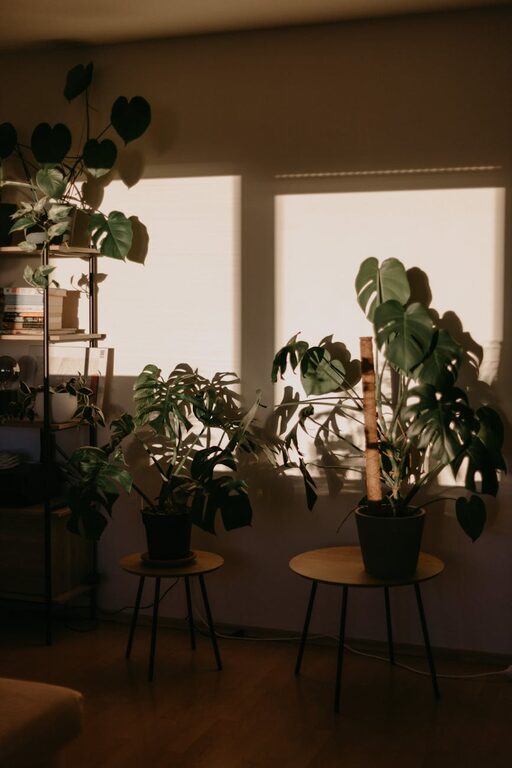
Grouping plants of different shapes, sizes and heights together creates a lush, natural look. Arrange several plants on a shelf, windowsill, or side table, mixing trailing plants like ivy with upright ones like cacti for a dynamic visual effect.
Incorporate Plants into Functional Spaces
Plants aren’t just for living rooms. They can thrive in kitchens to freshen the air and add greenery, in bathrooms where humidity helps them flourish, and even in bedrooms where they promote relaxation and healthy air.
Common Indoor Plants to Get Started With
Here are some easy-to-care-for indoor plants that are excellent for beginners or anyone looking to add greenery to their space:
– Snake Plant (Sansevieria): Very tolerant of low light and infrequent watering.
– Spider Plant (Chlorophytum Comosum): Adaptable and known for air-purifying qualities.
– Peace Lily (Spathiphyllum): Beautiful white flowers and thrives in shade.
– Pothos (Epipremnum Aureum): Trailing plant that’s hard to kill and grows in indirect light.
– Succulents: Require minimal water and suit sunny spots.
– ZZ Plant (Zamioculcas Zamiifolia): Stores water in its leaves, perfect for forgetful gardeners.
Care Tips for Indoor Plants
– Water Appropriately: Avoid overwatering by allowing soil to dry out slightly between watering for most species.
– Ensure Proper Drainage: Use pots with drainage holes to prevent waterlogging.
– Provide Adequate Light: Rotate plants regularly so all sides get light exposure.
– Dust Leaves: Keep leaves dust-free for better photosynthesis.
– Feed Plants: Use a balanced houseplant fertiliser during growing seasons.
Conclusion
Indoor plants are a wonderful way to enhance your home décor with natural beauty while also improving your living environment. They clean the air, raise humidity, provide calming influences, and bring personality to any room. With just a little care and attention, you can create a green oasis that benefits both you and your home. Whether you’re a seasoned plant lover or just starting out, there’s a perfect plant waiting to brighten your space. So why not bring nature inside and see the benefits for yourself?
About the Author