Creating a productive home office environment is essential for anyone who works remotely or spends significant time working from home. A well-designed and organised workspace can improve focus, reduce distractions, and promote a healthy work-life balance. Whether you have a dedicated room or a small corner, there are practical steps you can take to enhance your home office to suit your needs. This post offers tips to help you create a space that encourages productivity and comfort.
Choose the Right Location
Selecting the most suitable spot for your home office is the first step. Ideally, pick a quiet area away from main traffic routes and daily distractions. If you have a spare room, this can serve as a dedicated office. If space is limited, find a corner in a less busy room that can be separated from living areas.
Consider the following when choosing your location:
– Natural light availability
– Proximity to power outlets and internet connection
– Ventilation and temperature control
– Noise levels in the surrounding area
Invest in Comfortable, Functional Furniture
Your furniture plays a critical role in supporting both productivity and physical well-being.
Desk
Choose a desk with enough surface area for your computer, work materials, and space to write. Adjustable standing desks are a popular option that allow you to change posture throughout the day.
Chair
A good-quality ergonomic chair with adjustable height and lumbar support can prevent back pain and discomfort during long work sessions. Sit with your feet flat on the floor and your knees at a right angle.
Storage Solutions
Use shelves, filing cabinets or desk organisers to keep essential items within reach but out of clutter’s way. A tidy workspace reduces stress and helps you focus.
Optimise Lighting
Proper lighting is key to reducing eye strain and maintaining alertness.
– Natural light is ideal: Position your desk near a window if possible.
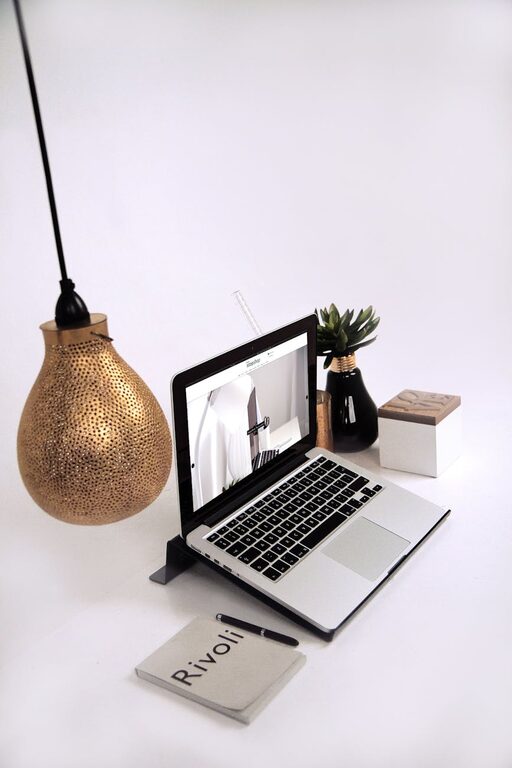
– Use adjustable task lighting: A desk lamp with brightness settings helps when natural light diminishes.
– Avoid glare: Position screens to reduce reflection from lights or windows.
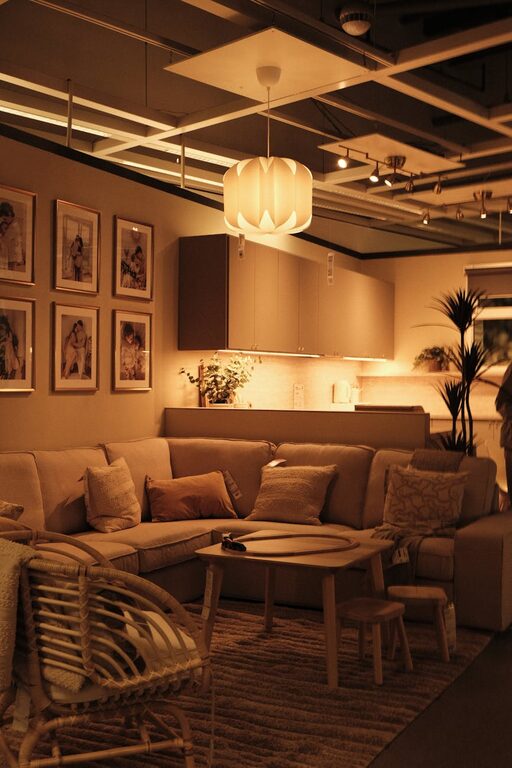
– Choose warm or neutral light tones: These are easier on the eyes than harsh, bright white light.
Minimise Distractions
Distractions can disrupt your concentration and productivity.
– Use noise-cancelling headphones or play soft background music, especially if your home is noisy.
– Put your phone on ‘Do Not Disturb’ mode during work hours.
– Limit access to social media or distracting websites using apps or browser settings.
– Talk to family or housemates about your work schedule to minimise interruptions.
Organise Your Workspace Efficiently
An organised workspace streamlines your workflow.
– Keep frequently used items close by.
– Use cable organisers to reduce clutter from cords and chargers.
– Label files and drawers for easy access.
– Regularly declutter to maintain a clean environment.
Set Boundaries and Maintain Routine
Work-life boundaries help you stay focused and avoid burnout.
– Establish clear working hours and stick to them.
– Create a ritual to signal the start and end of your workday, such as a specific playlist or a short walk.
– Avoid working from your bed or sofa to separate work from rest areas.
– Take regular breaks to stretch and refresh your mind.
Use Technology to Your Advantage
Leverage tools and apps designed to enhance productivity.
– Task managers (like Trello or Asana) help you organise daily tasks.
– Calendar apps ensure you keep scheduled meetings and deadlines.
– Communication platforms facilitate smooth interaction with colleagues.
– Headsets and microphones improve sound quality during calls.
Personalise Your Space
Finally, make your workspace inviting and inspiring.
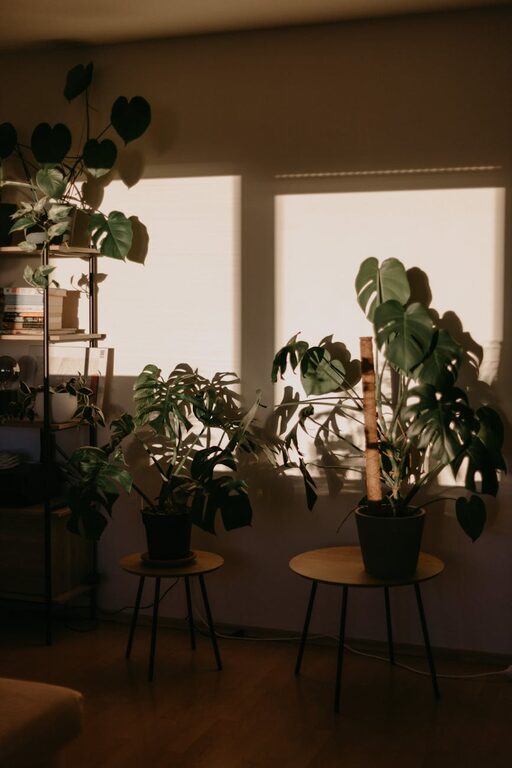
– Add plants to improve air quality and create a calming atmosphere.
– Display motivating quotes or artwork.
– Keep personal items that bring you joy but avoid over-cluttering.
– Select colours that boost focus; for example, blue can increase productivity and green promotes calmness.
Conclusion
Setting up a productive home office environment doesn’t have to be complicated or expensive. By choosing the right location, investing in comfortable furniture, optimising lighting, and organising your workspace, you can create a space that supports your best work. Remember to minimise distractions, maintain clear boundaries, and personalise your area to keep inspired every day. With these tips, your home office can become a place where focus and creativity thrive.
About the Author